
Spider Species
Everything You Need to Know About Spiders
What Are the Common
Spider Species?
Spiders are among the most recognisable household pests. While most species are
harmless and even beneficial in controlling insects, many people fear them and
certain species can cause painful bites or allergic reactions. Understanding which
species you may encounter helps determine the right management approach.
The most common spider species include:
Common House Spiders – the everyday indoor spider found in corners, cupboards and ceilings
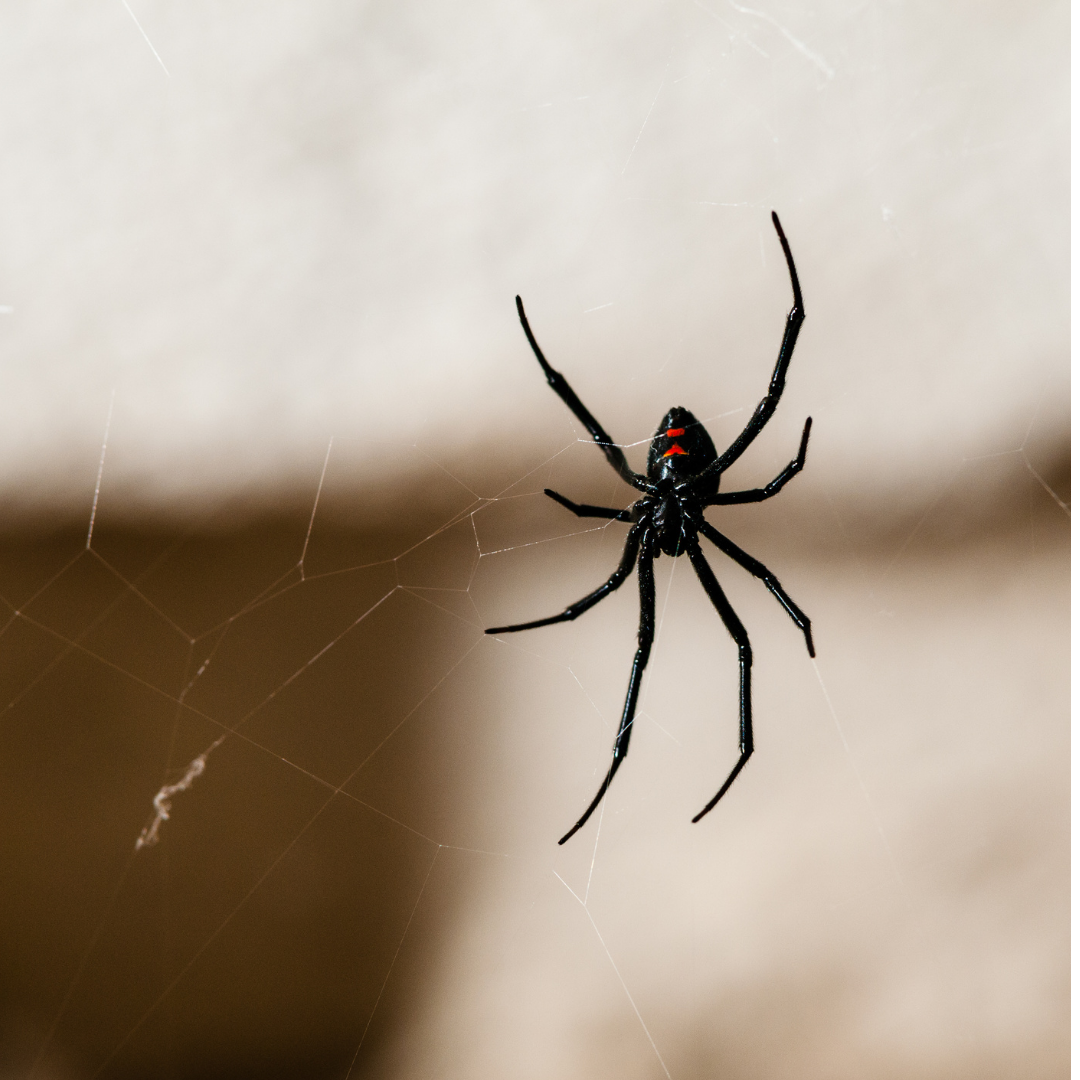
Black Widow Spiders – easily identified by the red hourglass marking, with a venomous bite
Jumping Spiders – small, agile hunters commonly noticed on walls and windows
Long-bodied Cellar Spiders – thin-legged spiders often seen hanging from ceilings
Wolf Spiders – fast-moving ground spiders that chase down prey
Where Spiders Are Normally Found
Each species prefers different environments:
House spiders nest in dark, quiet corners, behind appliances and under furniture
Black widows favour sheds, garages, wood piles and outdoor storage
Jumping spiders appear in sunny indoor spots, window sills and walls
Cellar spiders gather in garages, storerooms, basements and ceiling corners
Wolf spiders roam along floors, skirting boards and gardens
Spiders enter properties looking for food (insects), warmth and shelter and often take advantage of cracks, gaps or open windows.
Why Spiders Become
a Problem
Even harmless spiders can cause discomfort for residents and staff, but some species bring additional risks:
Painful or medically significant bites (e.g., black widow)
Allergic reactions or skin irritation
Webbing that becomes unsightly in homes or businesses
Increased insect activity if spiders are present (they follow their prey)
Fear or distress for occupants, customers or staff
Businesses in particular can suffer from poor hygiene perception if spider webs are noticed by clients.
Signs of Spider Activity
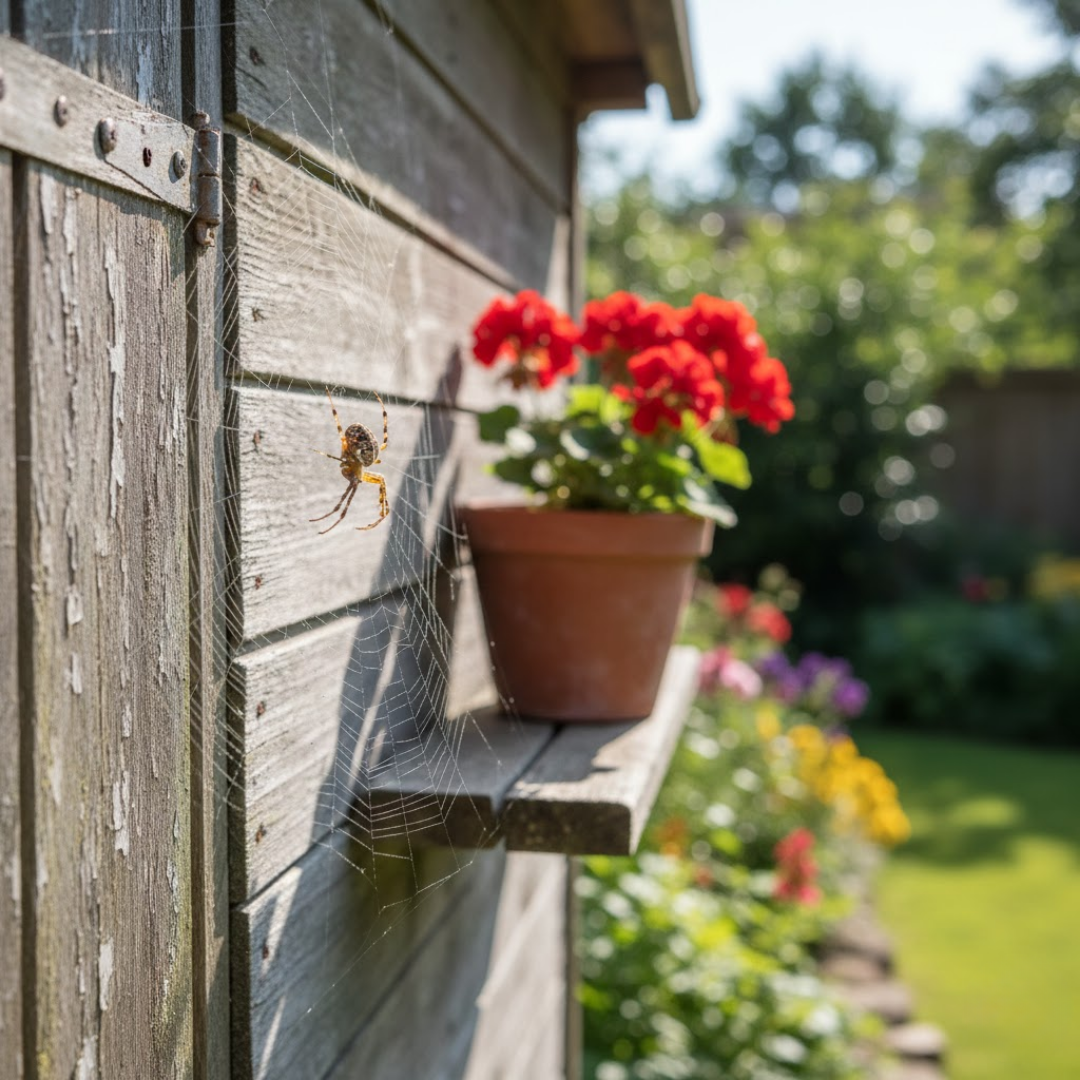
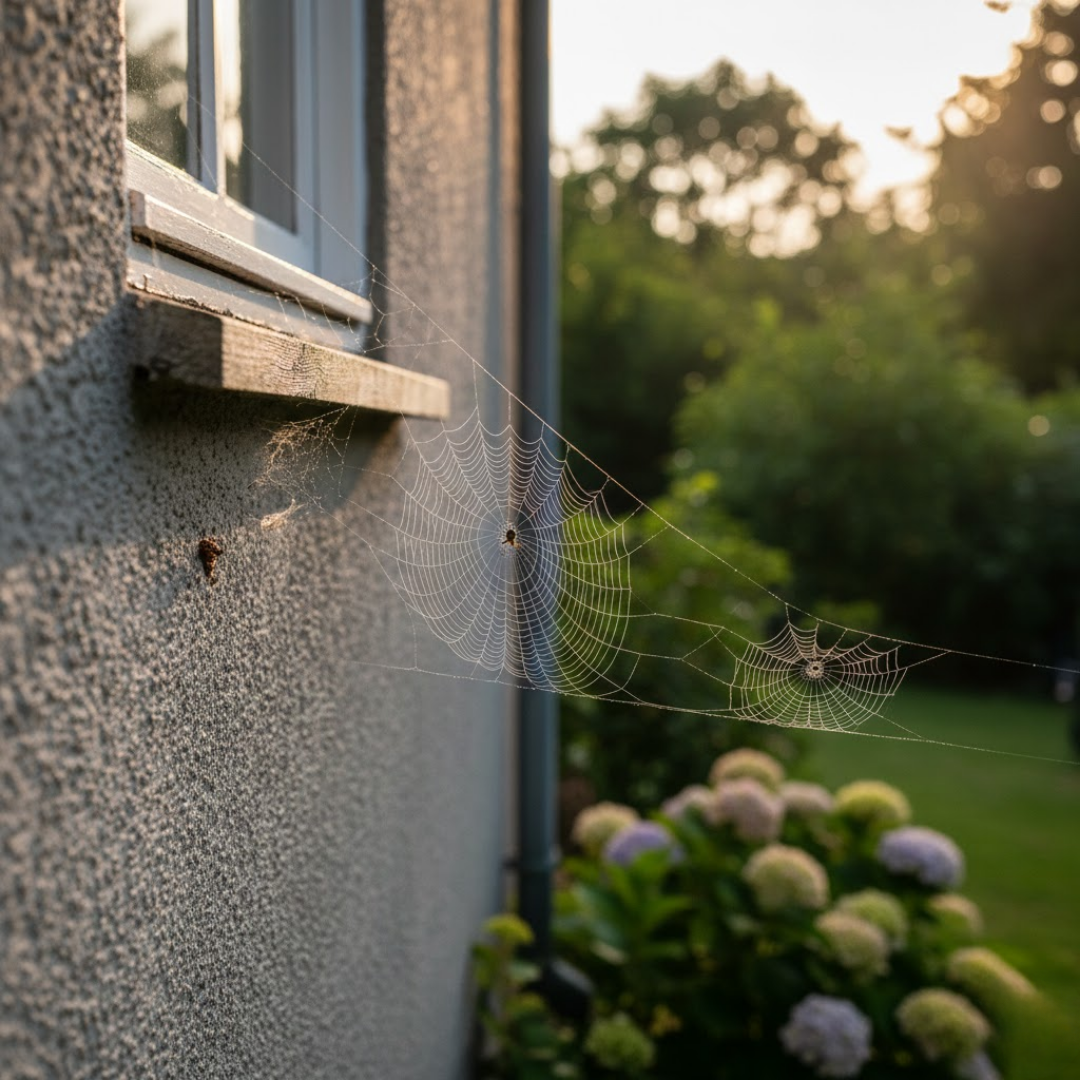
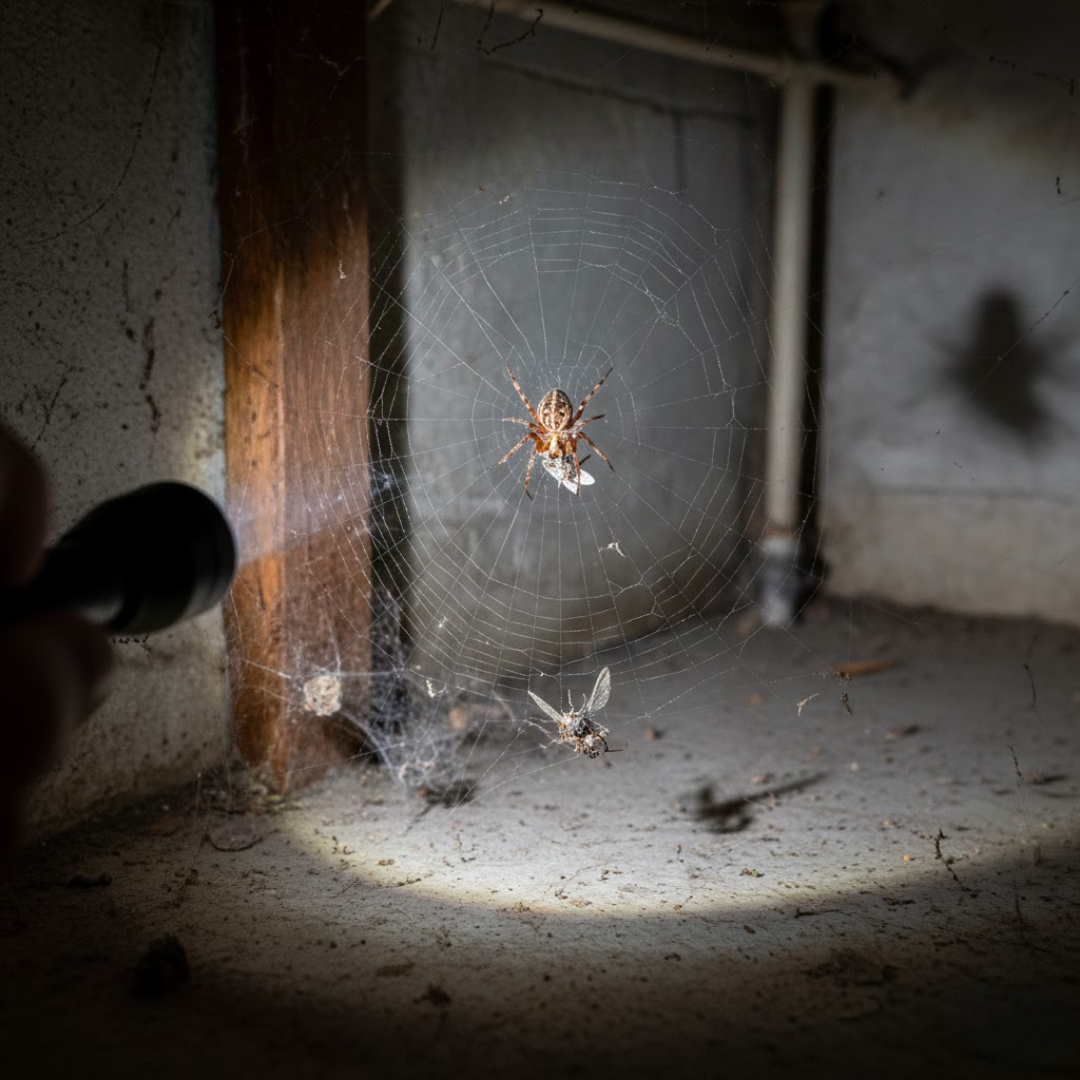
Webs in corners, ceilings, windows and outdoor structures
Egg sacs along beams, ceiling edges or furniture
Sudden appearance of multiple spiders indoors
Insect activity increasing (spiders follow food sources)
Spiders running along floors, skirting boards or walls
The presence of webs is usually the strongest indicator of an active population.
Preventing Spider Infestations
Minimise spider activity by reducing their access to shelter and food:
Seal cracks, gaps and broken screens
Remove clutter from garages, storerooms and basements
Keep outdoor lights minimal (light attracts insects, which attract spiders)
Vacuum corners, ceilings and hard-to-reach areas regularly
Clear vegetation touching exterior walls
Keep rooms dry and well-ventilated
Store firewood away from buildings
Good cleaning routines help reduce both spiders and the insects they hunt.

DIY methods often fail with venomous or fast-breeding species. Professionals can identify the exact species, treat hidden breeding areas and ensure spiders don’t return.
This is especially important for:
Black widow sightings
Large numbers of spiders indoors
Commercial properties where hygiene matters
Sensitive environments like schools, clinics or guest houses
A proper inspection ensures safe, effective and long-term spider control.