
Ant Species
Everything You Need to Know About Ants
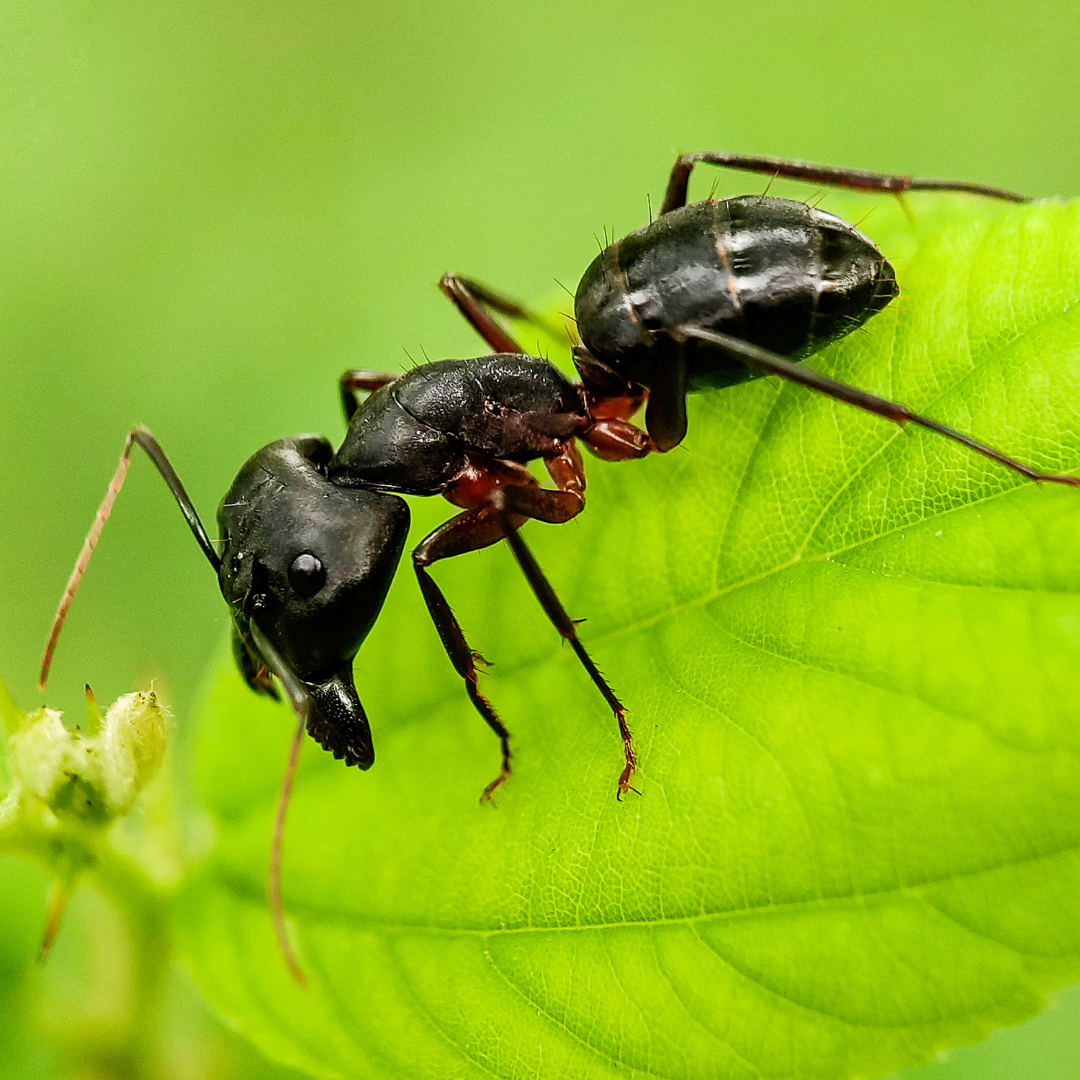
What ants look like
Ants are small, segmented insects with elbowed antennae and distinct waistlines. Colours range from black and brown to reddish tones depending on the species.
Most home-invading ants are small (2–6 mm), fast-moving and travel in organised trails.
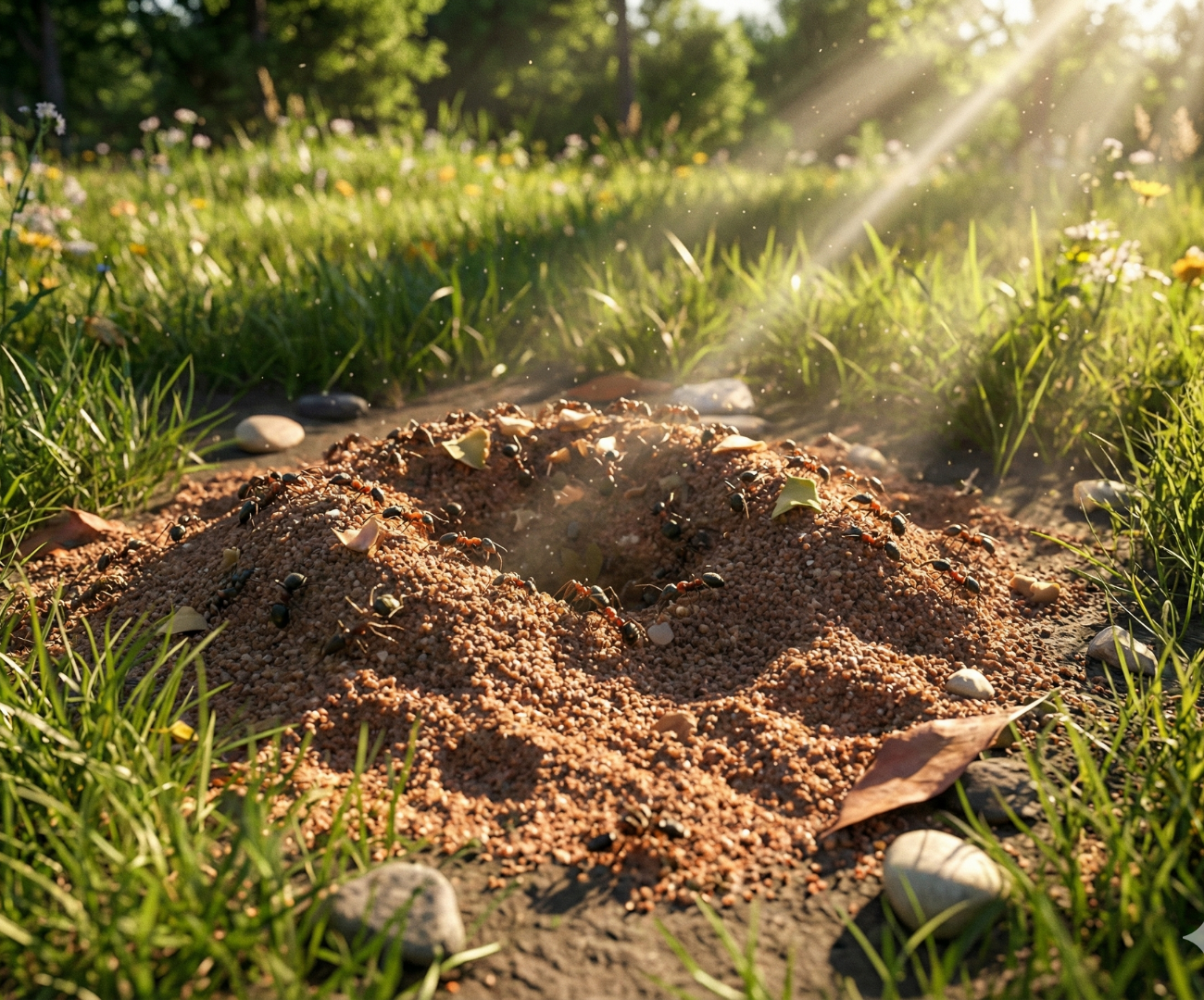
Where Ants are found
Ants build colonies in warm, protected areas such as:
Soil, foundations and paving
Under floors, skirting boards and cupboards
Lawns, gardens and flowerbeds
Inside kitchens, pantries and wall cavities
Anywhere close to food and water becomes prime real estate for an ant colony.
Why ants are a problem
They contaminate food and kitchen surfaces
Some species damage lawns, paving and gardens
Pharaoh ants can spread germs in hospitals and sensitive areas
Fast-growing colonies make DIY efforts temporary
Large numbers cause frustration and hygiene issues
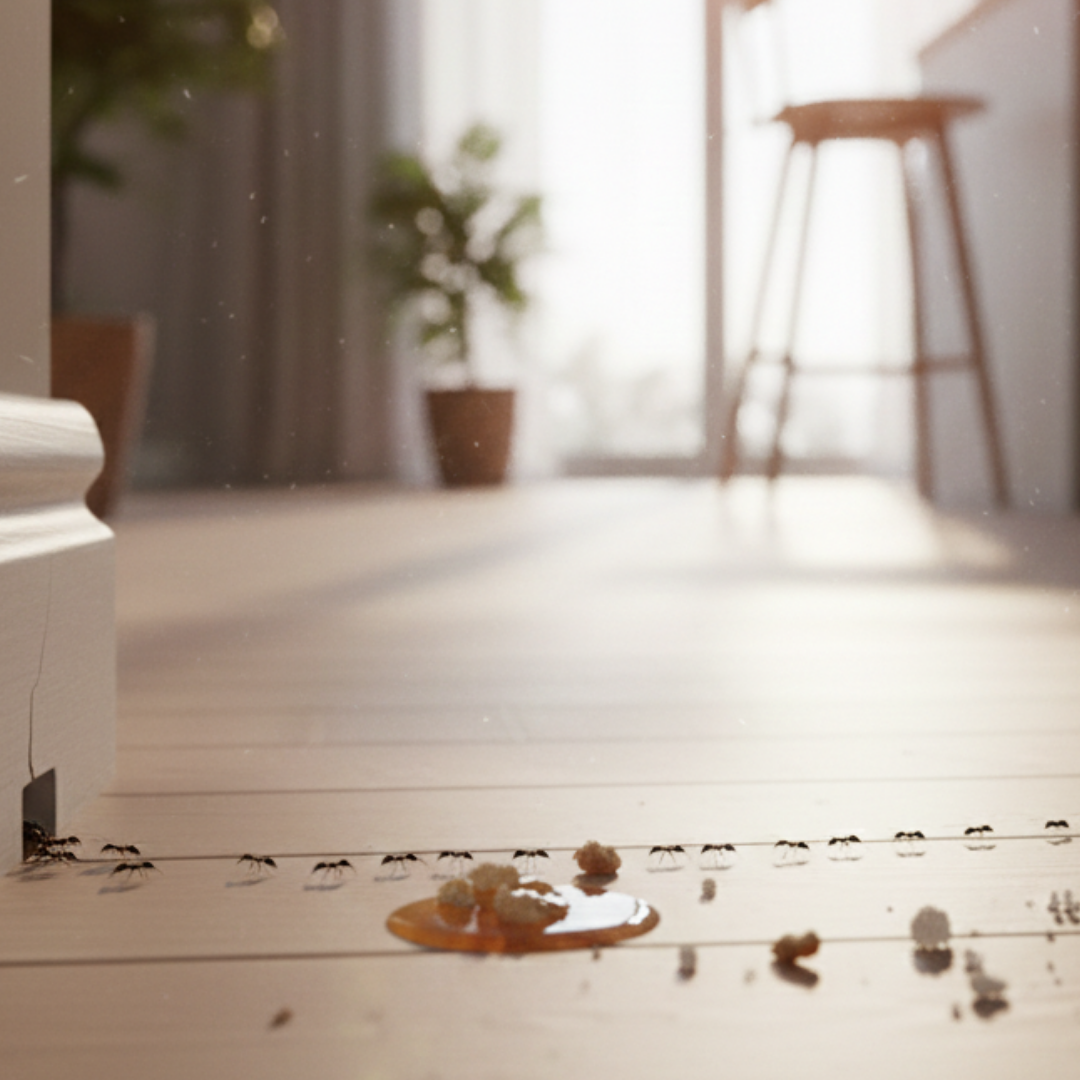
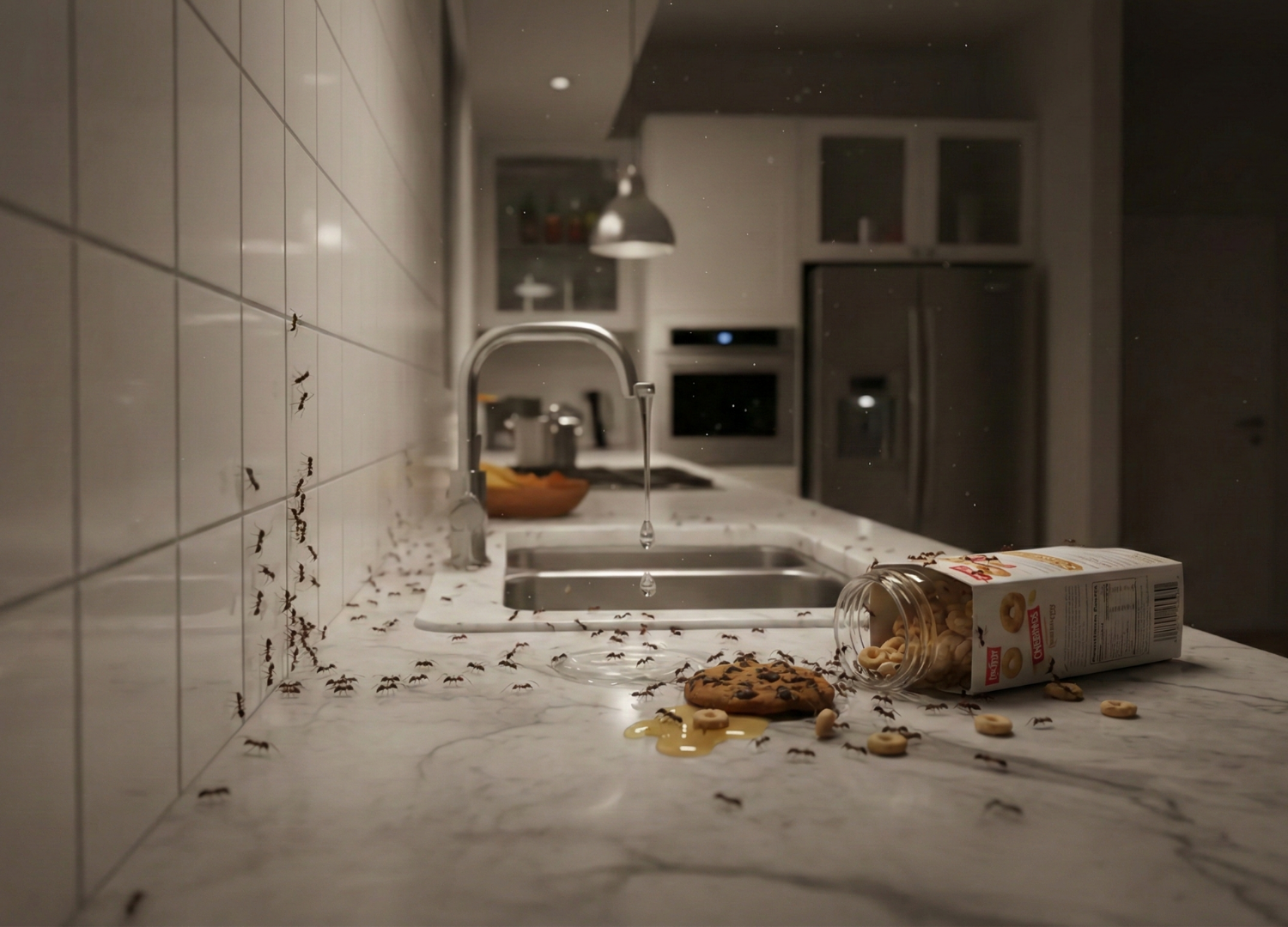
How Infestations Start
Easy access to food such as crumbs, sugar, fruit and pet bowls
Leaking taps or damp areas
Unsealed cracks and gaps around doors, windows or pipes
Outdoor nests expanding towards the home
Weather changes driving ants indoors for shelter
What You Should Do
Wipe up spills and food debris immediately
Store all food in sealed containers
Remove pet bowls overnight or clean them frequently
Seal cracks, holes and entry points
Avoid using supermarket aerosol sprays (they scatter the colony)
If ants keep returning after DIY remedies, it’s time to call a professional.
Keep kitchen surfaces dry and crumb-free
Empty rubbish bins regularly and keep lids tightly closed
Trim shrubs and plants touching the house
Fix leaks and reduce excess moisture
Sweep or vacuum floors daily during peak seasons
Use natural deterrents like cinnamon, coffee grounds or peppermint oil at entry points
Need Help?
If ants continue to invade your home or business, contact your nearest Pest Control Specialists branch for fast, effective treatment.