
Everything You Need to Know About Insects & Invaders
These are pests that don’t usually live indoors but will enter homes, offices or buildings
in search of warmth, moisture, food or shelter. They aren’t always harmful, but they can
become a nuisance when they appear in large numbers or settle in the wrong place.
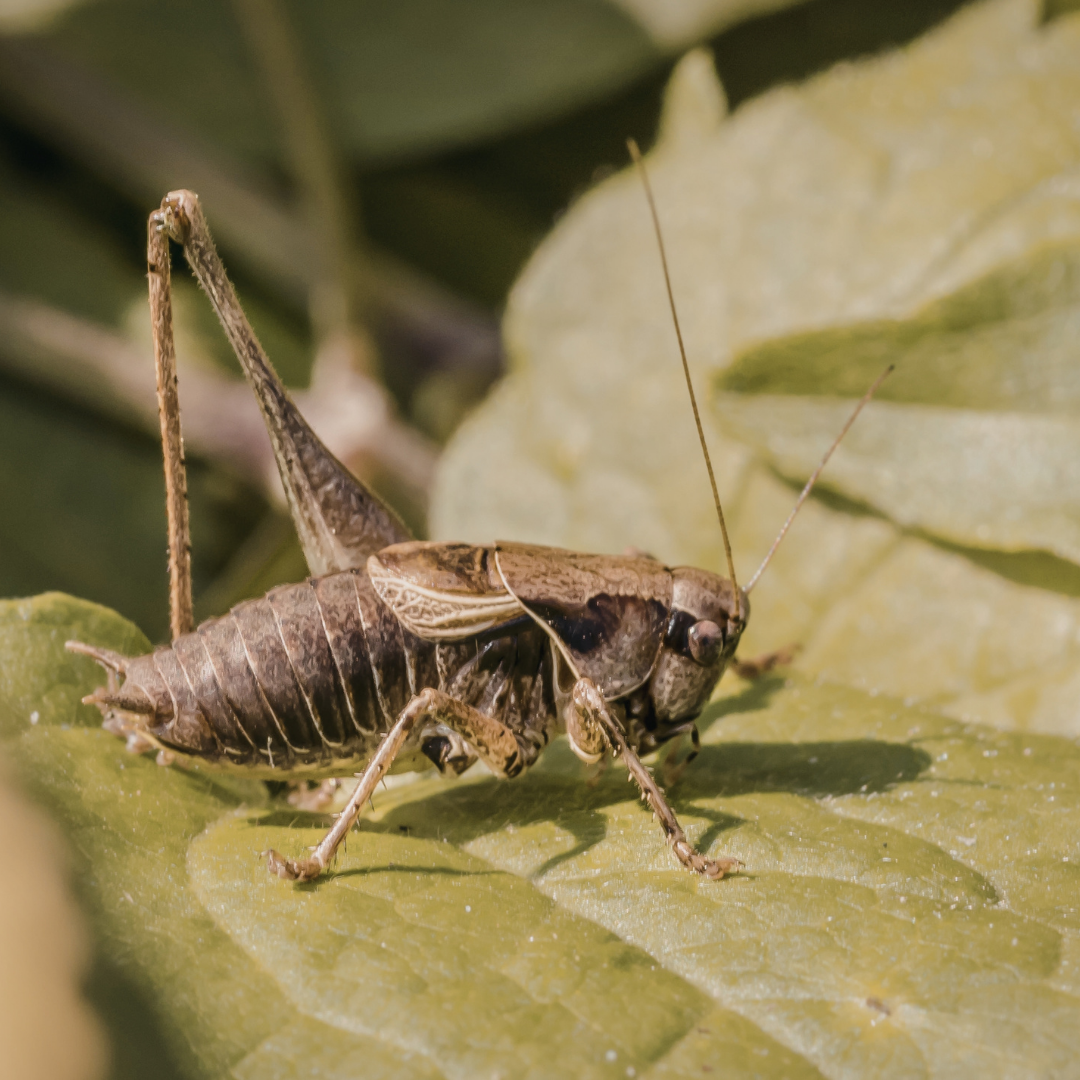
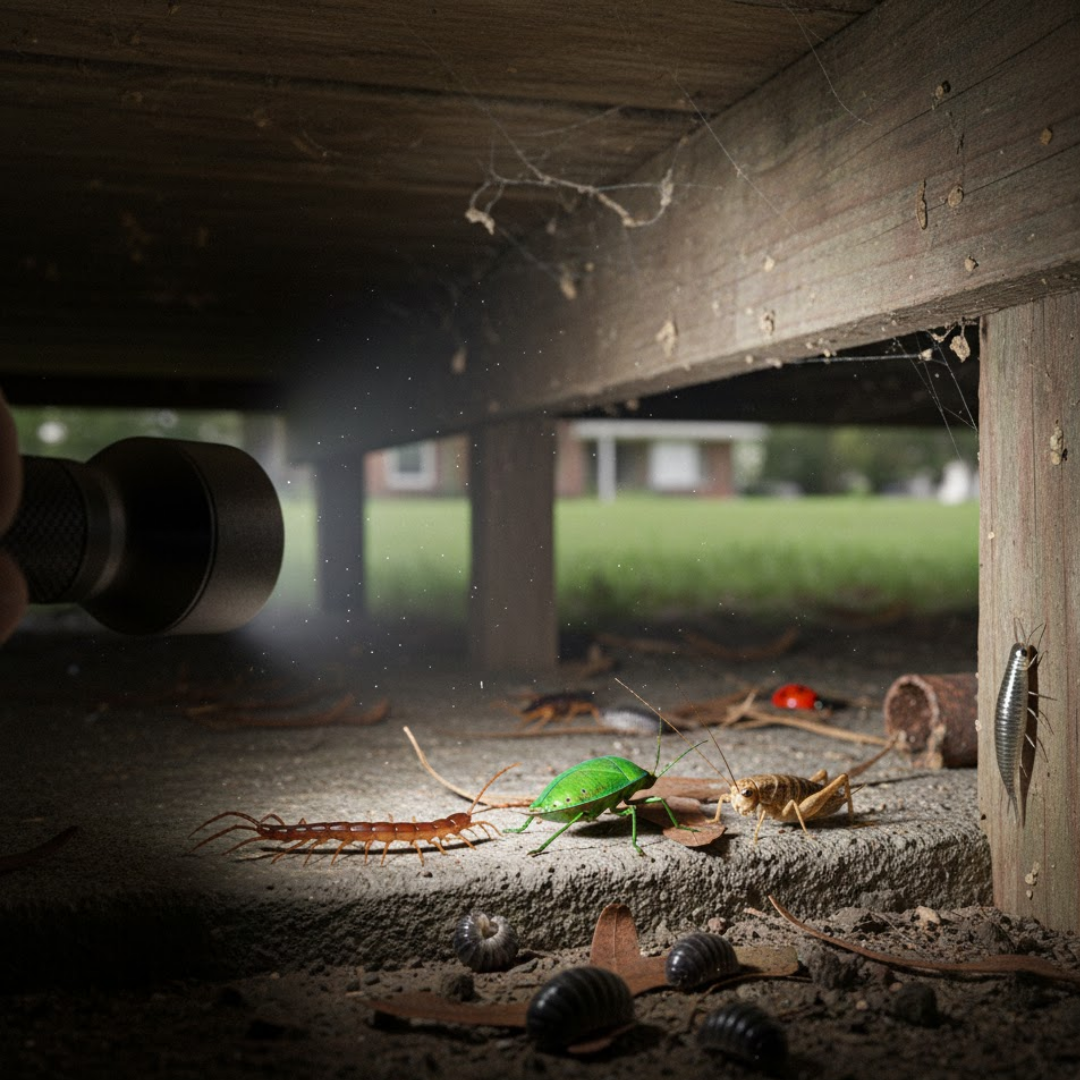
Common examples include millipedes, centipedes, crickets, ladybugs, pillbugs, stink
bugs and silverfish.
Where They’re Usually Found
Occasional invaders are typically drawn indoors because of:
Damp basements, bathrooms or laundry rooms
Dark or undisturbed storage spaces
Door gaps, window cracks and foundation openings
Moisture around gardens, pot plants and exterior walls
Piles of wood, leaves or mulch close to the home
Most are harmless but can still cause discomfort, odour, or minor damage.
These pests often enter buildings because of:
Seasonal changes (rainy periods, cold spells or heatwaves)
High outdoor moisture levels
Nearby gardens or vegetation
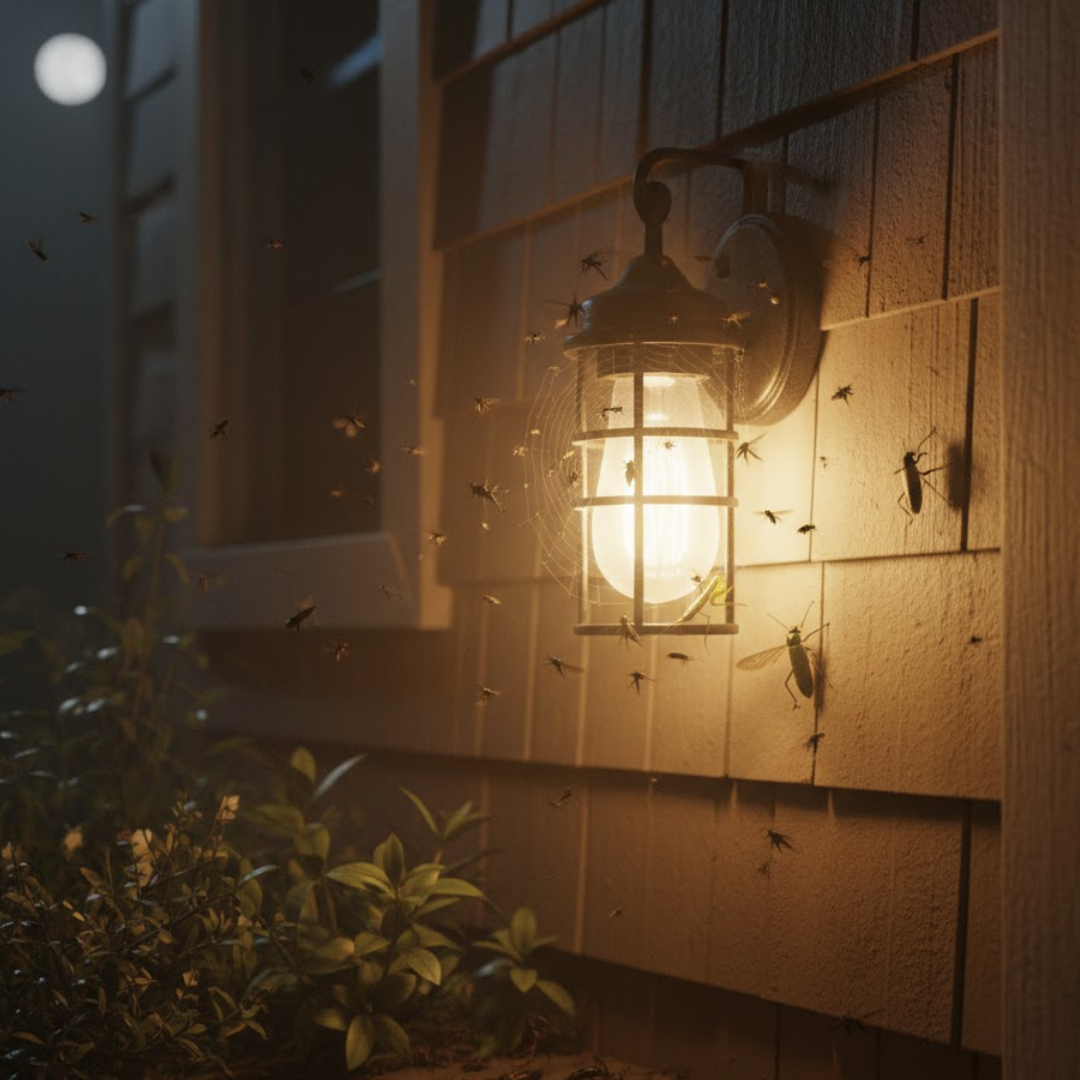
Light sources at night
Access to indoor food debris, cardboard or fabrics
Once inside, they can be difficult to remove without addressing the conditions attracting them.

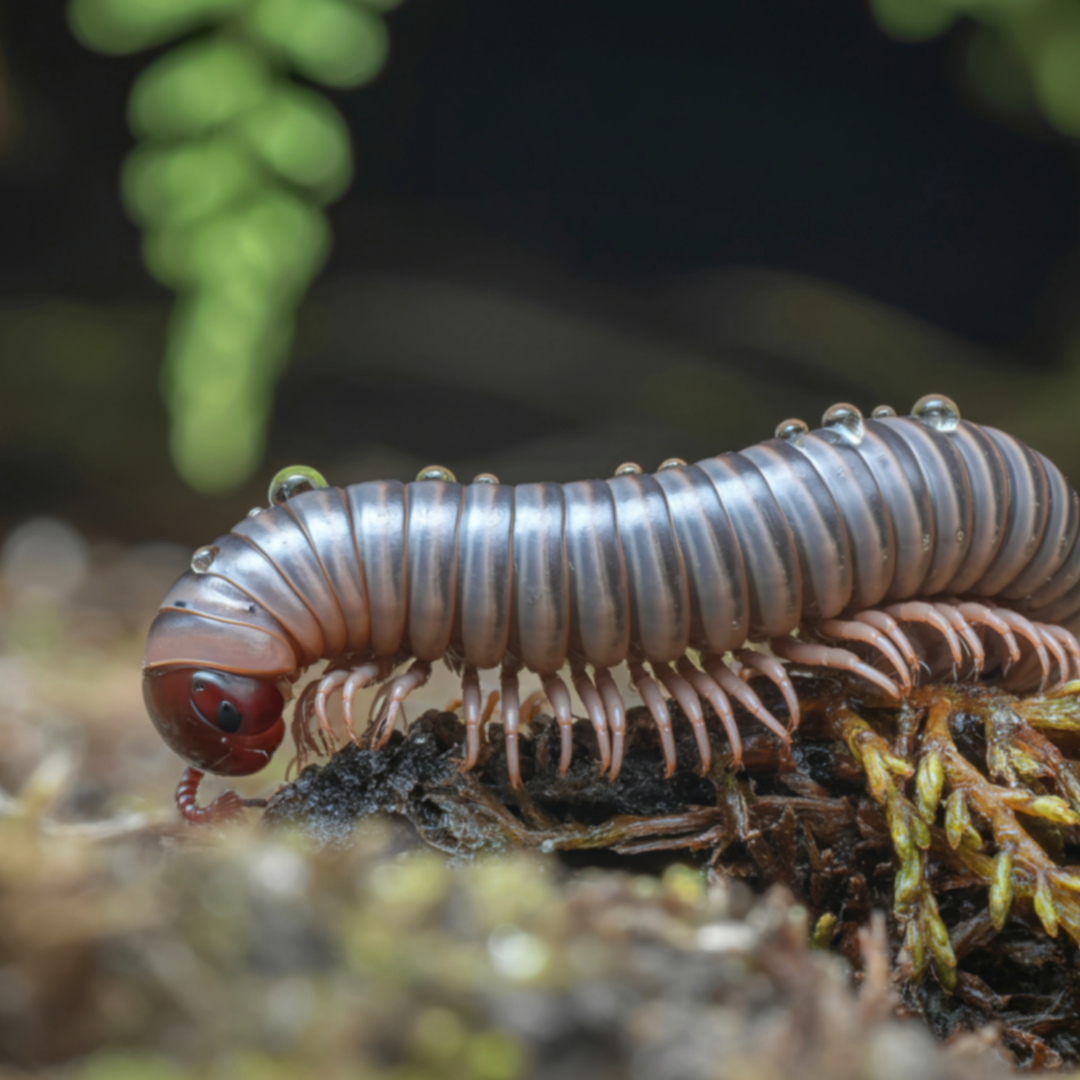
Millipedes
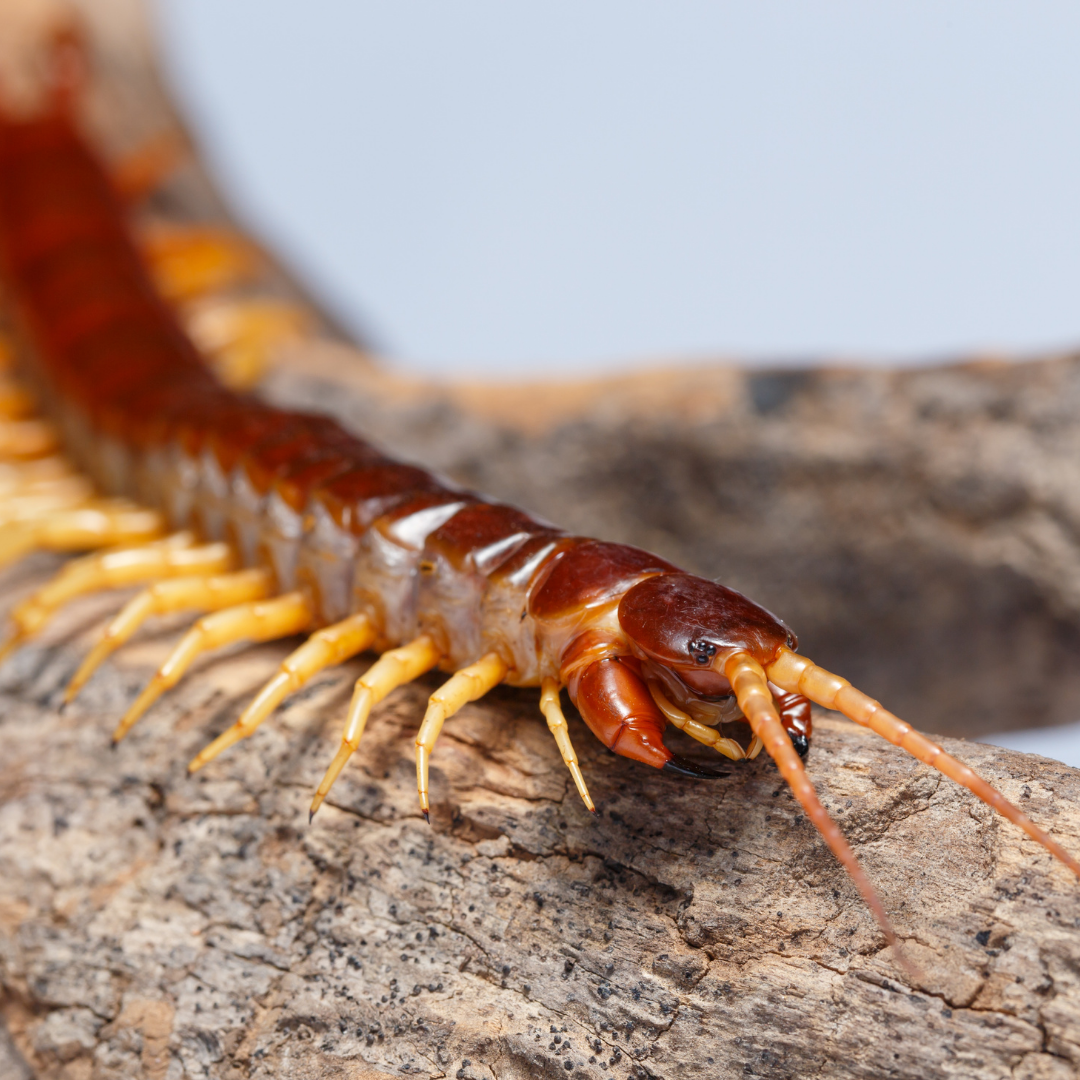
Centipedes
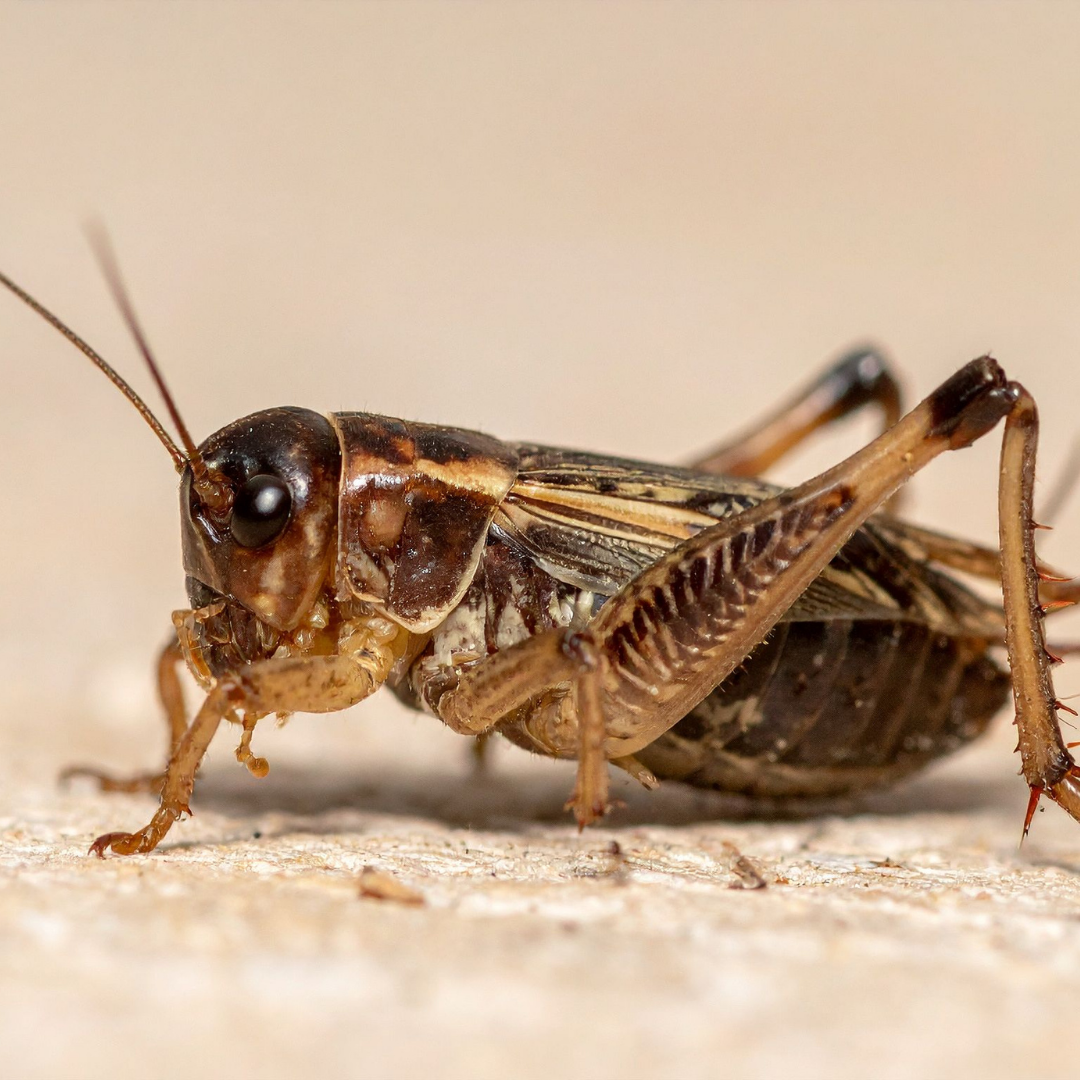
House crickets
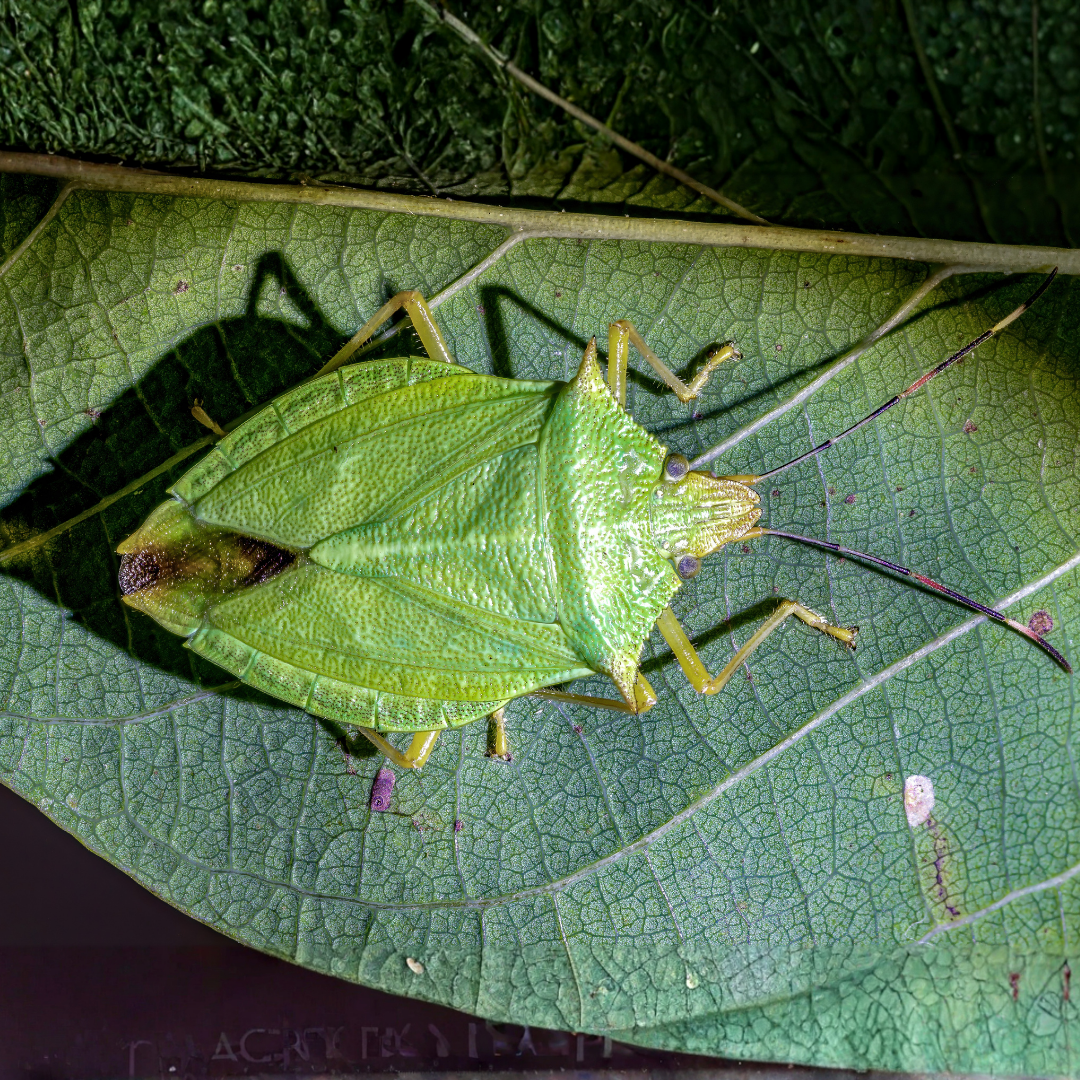
Stink bugs
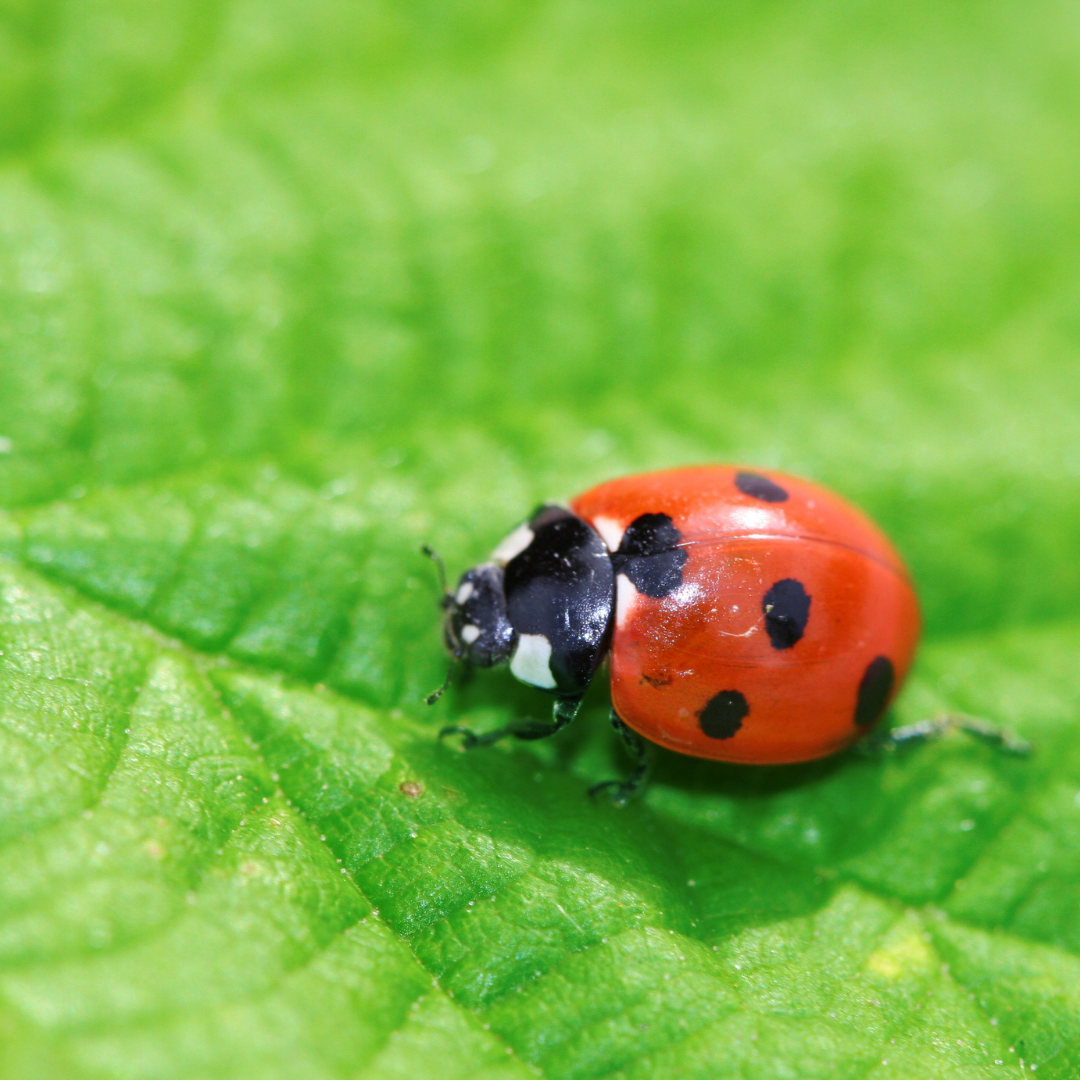
Ladybugs
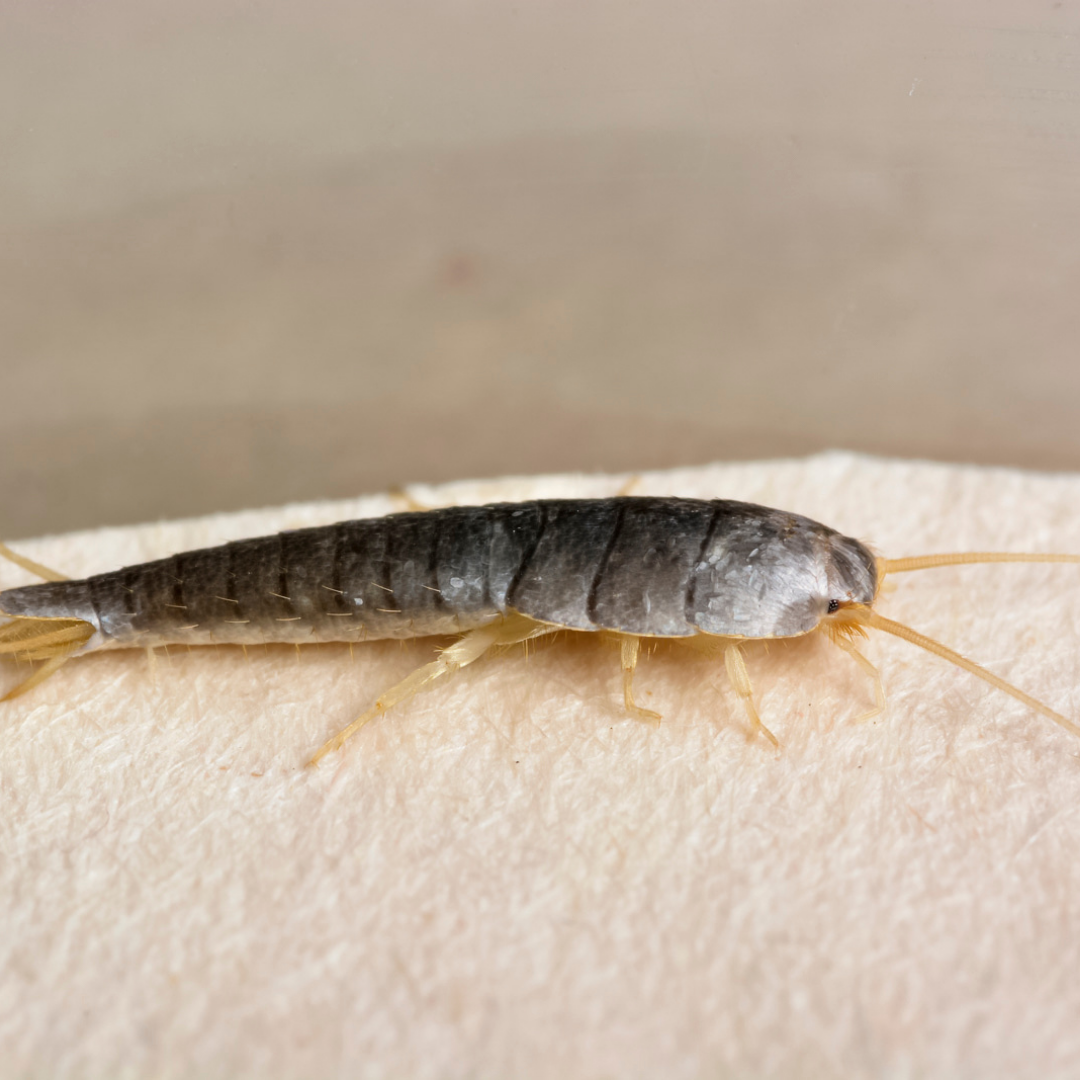
Silverfish
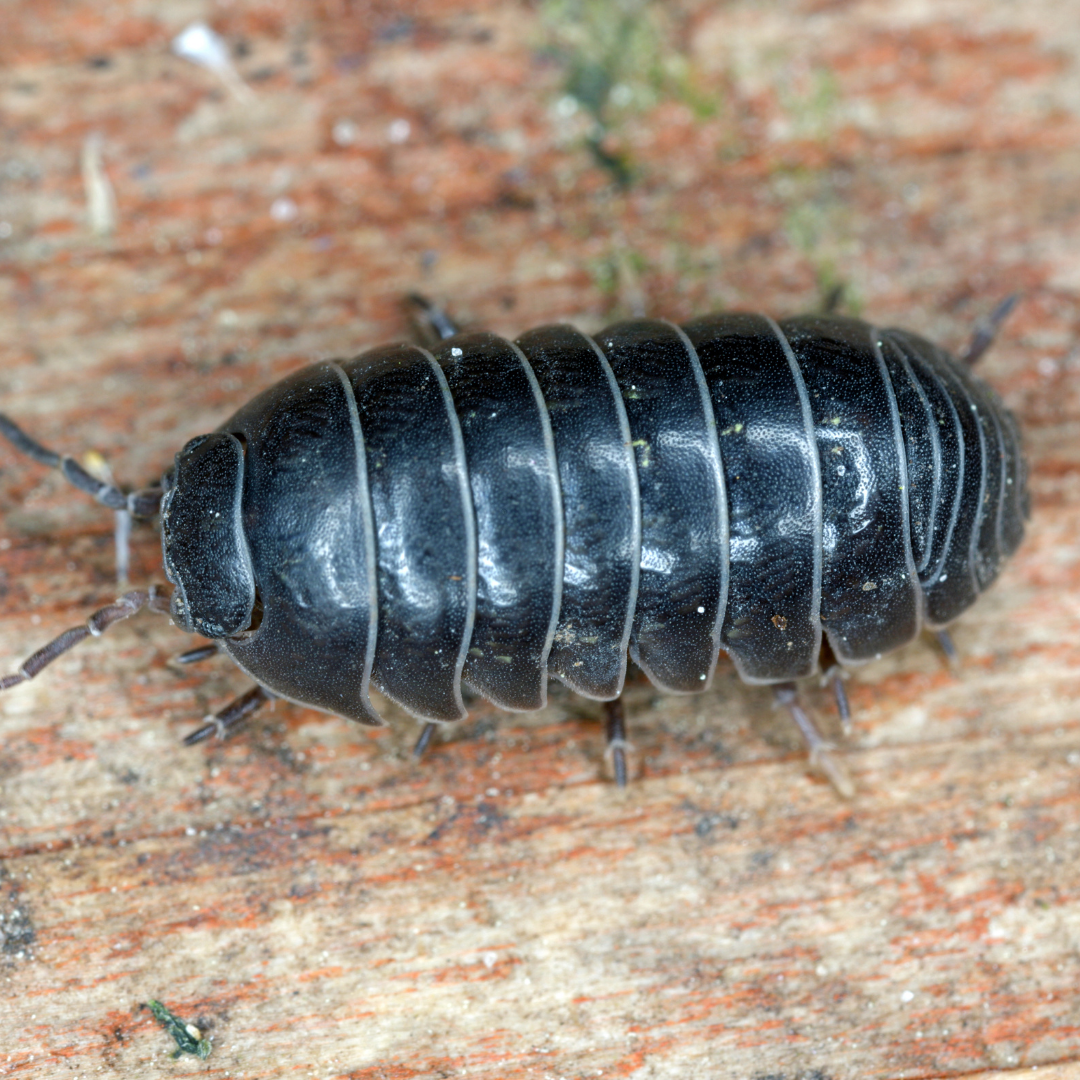
Pill bugs (roly-polies)

Weed, Rail Line & Yard Control
None of these pests typically bite humans, but they can still cause distress or property damage if left unmanaged
Signs of an Infestation
Regular sightings, especially after rain or cold weather
Damage to paper, fabrics or cardboard (silverfish)
Strange odours (stink bugs)
Pests gathering around windows or light sources
Activity around sinks, drains or damp corners
Even small numbers can indicate that moisture or entry points need attention.
Fix leaks and eliminate damp areas
Improve ventilation in bathrooms and basements
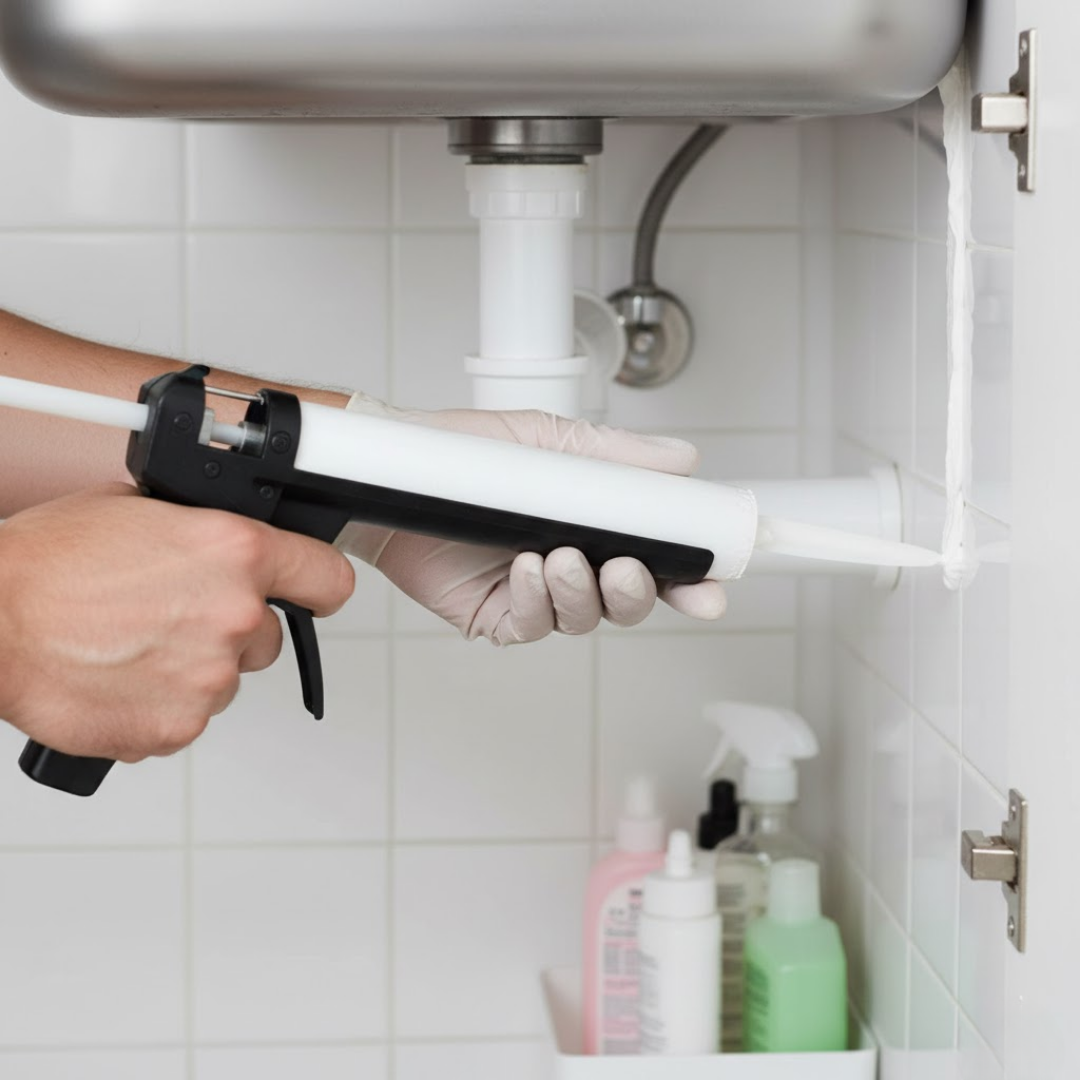
Seal gaps around windows, doors and plumbing
Reduce clutter and cardboard storage
Keep outdoor vegetation trimmed back
Move mulch or firewood away from the building
Exterior home maintenance is often the most important step.
If you’re seeing large numbers of these pests, or they keep returning despite cleaning and sealing entry points, a specialist inspection can help identify moisture
issues, structural gaps and hiding areas. Professional treatment targets both the pests and the conditions that are
attracting them.