
Termite Species
Everything You Need to Know About Termites
What Are Termites?
Termites are wood-destroying insects that feed on cellulose found in timber and
building materials. They live in large colonies and can cause serious structural damage
long before their presence becomes obvious. Because they often remain hidden behind
walls, underground, or inside wooden beams, infestations can go undetected for years.
South Africa is home to several species of termites, many of which pose risks to homes,
gardens, businesses, and wooden structures.
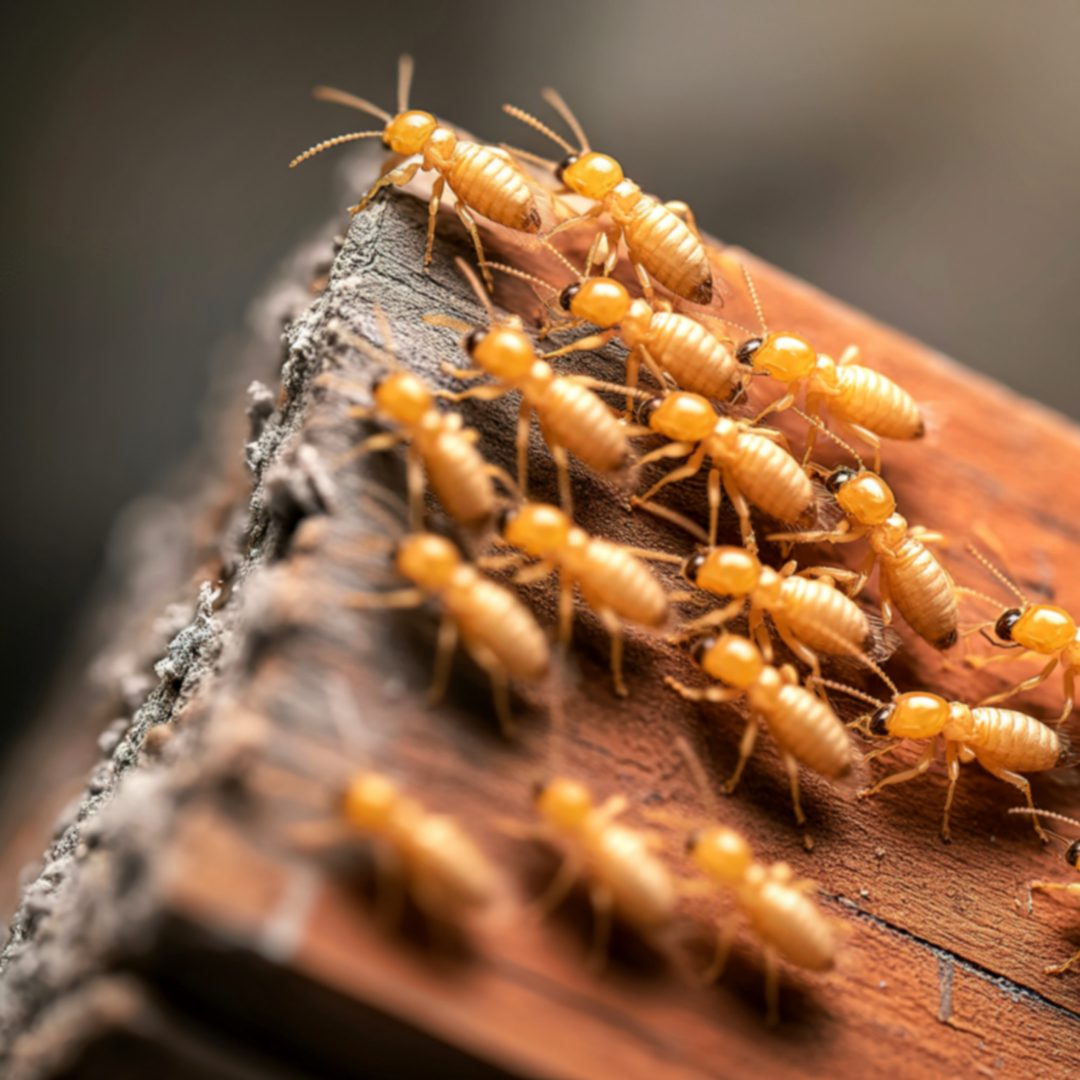
Common Termite Types

Subterranean Termites
These termites live in colonies underground and travel through mud tubes to access food sources. They prefer moist soil and hidden areas and are responsible for the majority of structural termite damage.

Harvester Termites
Found in gardens, lawns, and veld areas, these termites feed on grasses and plant material. While they do not usually attack buildings, they can destroy lawns, crops, and garden
landscapes.

Drywood Termites
These termites infest wood above ground and do not require contact with soil to survive. They can be found inside furniture, roof beams, flooring, and door frames, sometimes for months or years before being noticed.

Where Termites Are Found
Depending on the species, termites may inhabit:
Soil beneath buildings
Wooden roof trusses and beams
Skirting boards, floors, and door frames
Garden soil and lawns
Wooden furniture
Dead tree stumps and logs
Termites thrive in warm, humid conditions and prefer undisturbed, hidden areas.
Termite Infestation
You may have a termite problem if you notice:
Mud tubes running up walls or foundations
Hollow-sounding wood
Sagging floors or warped door frames
Small piles of frass (termite droppings)
Swarms of flying termites, especially after rain
Discarded wings near windowsills
Cracked or bubbling paint
Early detection is critical to preventing structural damage.


Why Termites Are a Serious Threat
If left untreated, termites can:
Cause major structural weakening
Compromise roof stability
Spread between buildings
Damaged wooden furniture and fittings
Reduce property value
Create safety hazards in homes and businesses
Because termites work out of sight, colony growth often occurs long before visible signs appear.
Prevention Tips
Reduce the risk of termite infestations by:
Fixing moisture issues and leaks
Ensuring proper drainage around your property
Storing firewood away from the house
Sealing cracks in foundations and walls
Keeping soil levels below the top of foundation walls
Avoiding direct wood-to-soil contact
Regularly inspecting wooden structures
Proactive prevention is far more effective and cost-efficient than repairing termite damage.
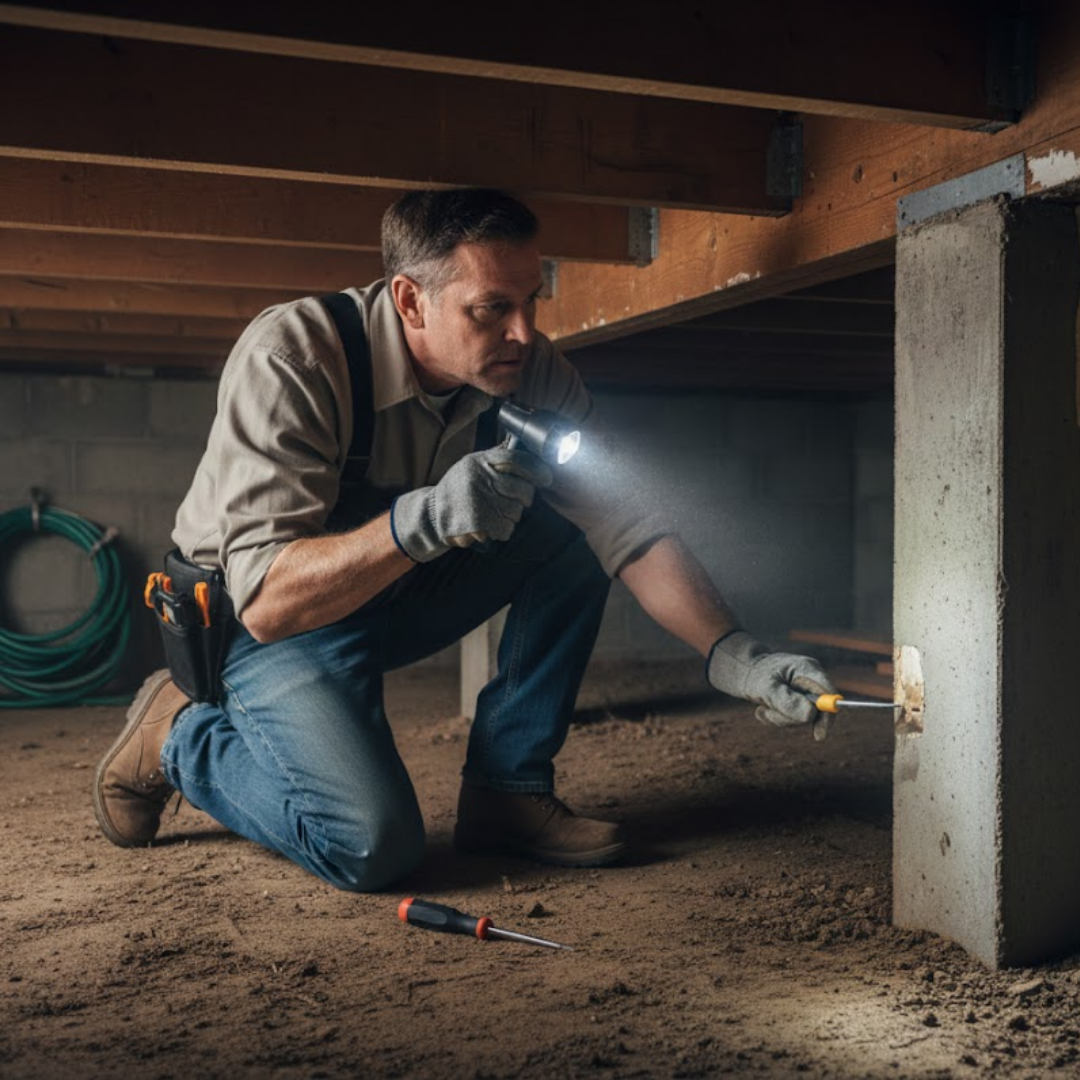
A professional termite inspection and treatment is essential when:
You see visible mud tubes or termite activity
Damage appears in wooden structures
You suspect subterranean termite presence
Drywood termite frass is discovered
You’re unsure of the extent of the infestation
The property has a history of termite activity
Only trained professionals can accurately identify the species, locate the colony, and
implement long-term termite control solutions.