
When we talk about “food safety,” it’s easy to imagine industrial factories, health inspectors with clipboards, or commercial restaurant kitchens. But as a consumer purchasing groceries for your household, food safety is a daily, personal issue that directly impacts your family’s health, your household budget, and your peace of mind.
Every time you step into a supermarket, you are trusting a complex supply chain. Once that food enters your trolley, the responsibility shifts into your hands. Understanding how supermarket food safety affects you and where the hidden risks lie, is the first step to keeping a hygienic home.
The Supermarket Cold Chain: The Unseen Risk
The “cold chain” refers to the continuous temperature-controlled supply path that perishable foods (like meat, dairy, seafood, and ready-to-eat meals) must travel from the farm to the shelf.
If a supermarket allows the cold chain to break, even briefly, then harmful bacteria like Salmonella, Listeria, and E. coli can multiply rapidly.
How it affects you:
- Accelerated Spoilage: Have you ever bought milk that went sour days before its expiry date? That’s often caused by temperature fluctuations on the store shelf or during stocking.
- Foodborne Illness: Consuming food where bacteria have multiplied due to poor cold-chain management can lead to severe food poisoning.
Sazi’s Pro-Tip: Shop for your non-perishables and pantry items first. Save the fresh meat, dairy, and frozen products for the absolute end of your grocery run to minimize the time they spend in a warm trolley.
Packaging Integrity and Cross-Contamination
Supermarket shelves are packed tightly, and hundreds of hands touch products before you bring them home. Damaged packaging or leaking meat trays create prime conditions for cross-contamination.
What to look out for:
- Dented Cans: Deep dents; especially near seams can compromise the inner seal and allow botulism-causing bacteria to thrive.
- Leaking Meat Trays: Raw poultry juice dripping onto fresh produce or bakery items in your trolley transfers bacteria straight to foods you might eat raw.
- Bulging Packaging: A swollen pouch or lid is a sign of gas produced by bacterial growth inside the food.
The Unseen Threat: Supermarket Pests and Cross-Contamination
Supermarkets store massive quantities of food, making them primary targets for pests like rodents, cockroaches, flies, and pantry beetles. Reputable retailers invest heavily in commercial pest control, but if a store falls short, the consequences follow you home.
-
- Pantry Pests: Weevils and beetles can lay eggs in cereal or flour packaging at the warehouse or retail level. You only realise there’s an issue when they hatch inside your kitchen cupboards.
- Bacterial Contamination: Pests carry pathogens on their bodies and in their waste. A fly landing on unprotected bakery goods or a rodent nibbling a cardboard box transfers dangerous bacteria directly onto items you purchase.
Taking Control: Food Safety at Home
Food safety doesn’t end at the till. How you transport, store, and prepare your food determines whether your kitchen remains a safe environment.
- Use Cooler Bags: If you have a long drive home from the supermarket or are shopping on a hot day, keep insulated cooler bags in your car for perishables.
- Practice Safe Refrigeration: Store raw meat on the bottom shelf of your fridge so juices cannot drip onto ready-to-eat foods below. Keep your fridge set below 4°C.
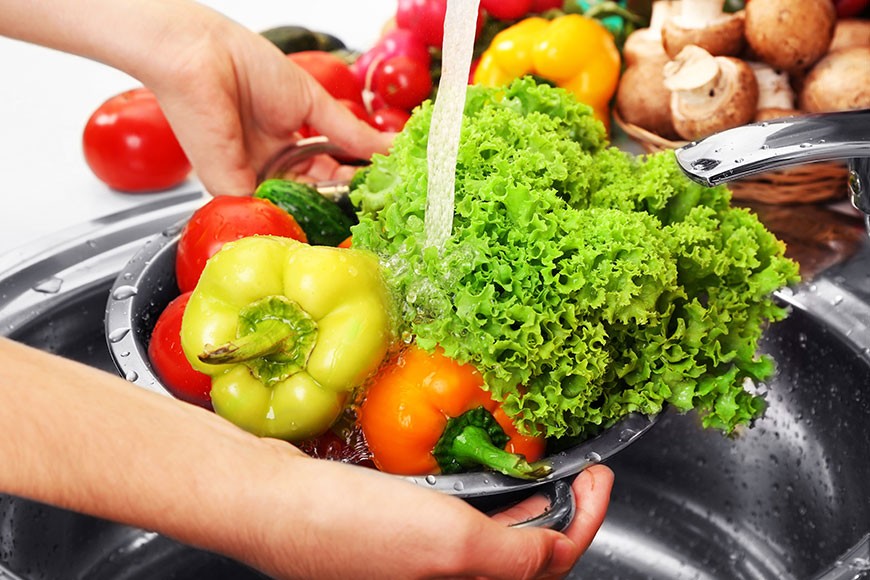
- Wash Fresh Produce: Always rinse fruit and vegetables under running water, even if they look clean or come from an expensive grocery store.
The Bottom Line
As a consumer, you have the right to demand high food safety standards from the supermarkets you support. Pay attention to store cleanliness, report damaged goods or pest sightings to management, and handle your groceries with care the moment they leave the shelf. A safe meal starts at the store, but protecting your household continues all the way to your dinner table.