

Cockroaches species
Cockroaches are a high-risk pest to have as they carry diseases, emit odours and cause respiratory illnesses. In Southern Africa, there are four main types of cockroaches:
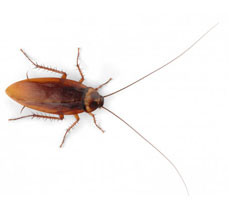
American Cockroach
The American cockroach is the largest of the common species of cockroaches. Reddish brown in colour, the American cockroach is
More
It has well-developed wings, but only flies if the temperature is above 29 degrees Celsius, it can cover long distances, especially if it takes off from rooftops or trees. It often migrates to other buildings during the summer months.
The American cockroach loves dark damp places such as drain pipes and sewers, it also lives outdoors in hollows of trees, in palm trees, and in the damp shady areas of ground covers such as ivy.
Less
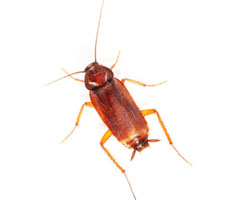
German Cockroaches
German cockroaches are by far the most common, as well as the most important of all the cockroach species in Southern Africa
More
The female German cockroach carries a very large number of eggs in her capsule, and, unlike other cockroaches, she carries the capsule until the nymphs are ready to hatch, therefore their chances of survival are greater. During this stage, she does not forage much, so she is less likely to succumb to any poison. This is one of the reasons why some populations of cockroaches are immune to certain insecticides. The German cockroach has the shortest developing period, and when the nymphs hatch, they are smaller than other species and able to hide in the smallest cracks and crevices.
The adult German cockroaches are pale to medium brown and have two dark stripes running lengthwise from the front of the thorax. They are approximately between 1.3cm to 1.6cm long. Even though the adults have well-developed wings, they never fly, instead, with their long spiny legs and specialized pads, they are able to scale glass windows and run rapidly across ceilings.
Cockroaches are usually found in food preparation areas, or near garbage bins. They love anything fermented, such as a bit of beer
Less
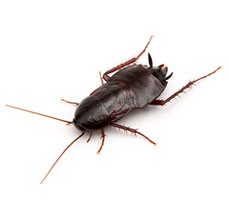
Oriental Cockroaches
This species is very dark in colour, shiny and cannot fly. They are found in sewers and similar wet and decaying environments.
More
The female produces a total of about 8 egg capsules, each containing 16 eggs. She carries her egg capsule for about 30 hours before dropping it near a food source. The nymphs can molt up to 10 times, and can take a year to become fully developed.
These cockroaches have a short lifespan – the winter months find very few adults among the population. Unlike other cockroaches, these small and shiny, almost black and greasy looking cockroaches are also sluggish, that is why they do not scurry away when discovered in the bathtub.
Less
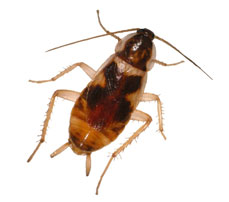
Brownbanded Cockroaches
These cockroaches derive their name from the two light brown bands appearing across their dark brown bodies.
More
Less
Getting rid of cockroaches
DIY products that are designed to exterminate cockroaches are available, but because of they are constantly hiding, infestations are likely to reoccur when surviving cockroach eggs hatch after a couple of months. The only way to get rid of cockroaches for good is to get a professional pest control company to eradicate your infestation from the source.
Pest articles
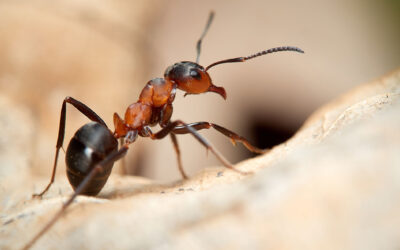
Why Ants Love Your Office in Winter—and What to Do About It
Winter's arrival often brings an unseen guest into commercial buildings: ants. As industry leaders in commercial pest control, we want to highlight that colder weather doesn't eliminate ants; it simply changes their address. Your warm, dry office or commercial space...
8 Simple Tips to Pest-Proof Your Property this Winter
Most people associate Winter with cold weather, short daylight hours, and a welcome relief from many nuisance pests. While the warmer months may bring flying pests such as mosquitoes, flies and stinging insects – Winter also has its own set of pest problems as rats,...
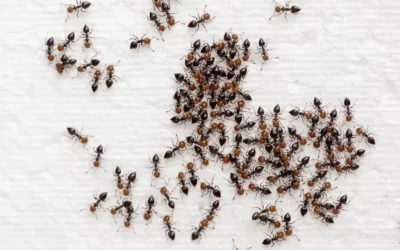
The Silent Threat: Why Ant Control Matters Even in Winter
The apparent lull in ant activity during winter can be deceptive for commercial property owners and facility managers. As pest control specialists, we understand that "out of sight" doesn't mean "GONE." Ants, being cold-blooded, simply adapt to survive the...
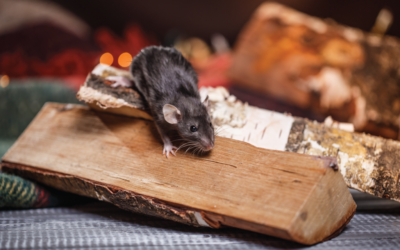
A Seasonal Guide to Winter Pest Problems
For many, winter offers a time of blissful reprieve from common household pests like flies, mosquitoes and the myriad of other creepy crawlies that we all love to hate. But before you kick back in anticipation of a pest-free winter – think again. Although some pests...
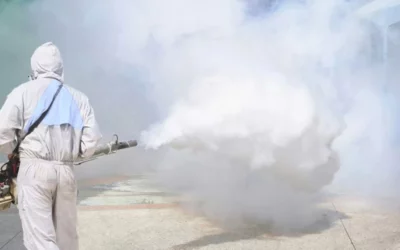
Beyond Infestations: Fumigation as a Smart Autumn Strategy
As we navigate the seasonal transition into Autumn, its arrival serves as a critical reminder for commercial businesses: Change is inevitable, and that includes potential shifts in pest activity. For facilities ranging from warehouses and food production plants to...
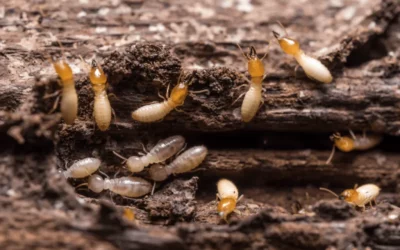
Signs of Termite Activity
Wood-destroying organisms, including termites, are often an invisible menace lurking in commercial buildings. They silently damage structures and jeopardise investments. Termites and other wood-destroying pests feed on cellulose found in wood, which means they can...

5 Cleanliness Standards That Earn Your Hotel a 5-Star Review
What Makes a Hotel Worthy of a 5-Star Cleanliness Review? Cleanliness is one of the most critical factors in a guest’s hotel experience. A spotless environment not only enhances comfort but also ensures health and safety. From pristine guest rooms to sanitised...

Top 5 Dirtiest Things Found In a Hotel Room
A freshly made bed and neatly arranged furniture can create the illusion of a spotless hotel room, but what’s hiding beneath the surface may shock you. From germ-infested remotes to unwashed bedspreads, many hotel rooms harbour invisible threats that could put your...

The Importance of Businesses Staying Compliant with Hygiene Standards in Southern Africa’s Food Industry
The Importance of Businesses Staying Compliant with Hygiene Standards in Southern Africa's Food Industry In an era where consumer awareness is at an all-time high, businesses, especially in the food industry, are under more scrutiny than ever. In Southern Africa,...

Protect Your Property with Proactive Pest Control: The Benefits of Integrated Pest Management (IPM)
Taking a proactive and sustainable approach to pest control is key to protecting your property. Integrated Pest Management (IPM) combines multiple strategies to prevent and control pests in an environmentally responsible way. Key Principles of IPM: - Prevention: Seal...